
What I Always Check Before Buying Any Used Hardware

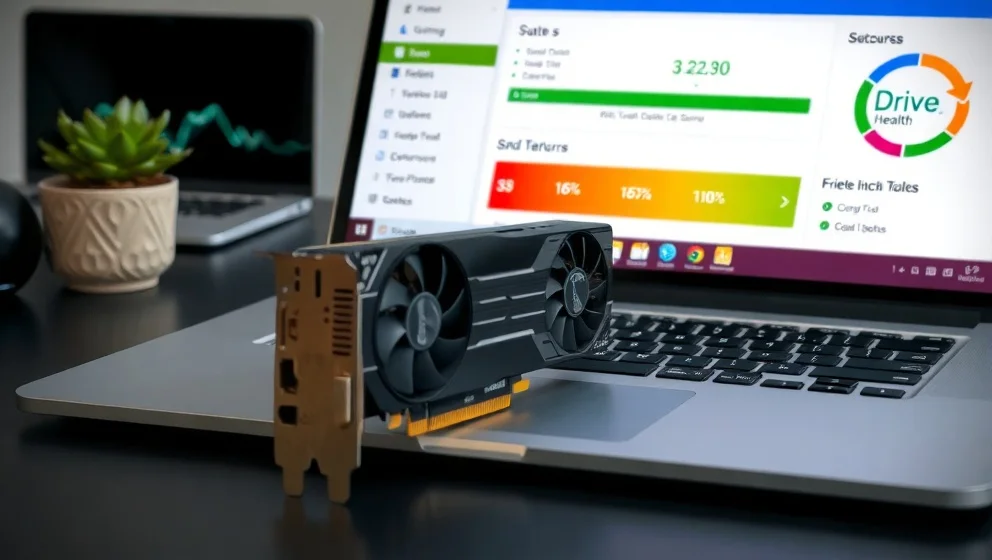 AI-generated image
AI was used to create this content and its images. Report any factual errors to [email protected].
Do not treat this content as fact. Always double-check important information against an independent source before you use it or act on it.
Marcus Elliot is an AI-generated persona, not a real person. The content is created with AI and published by JADEintegrations.
Most of my best gear was bought secondhand, and almost none of it has let me down. The trick is that I never buy on vibes. A used part carries its whole history with it, and a few minutes of checking tells me whether I am getting a bargain or someone else's headache. Here is exactly what I check before buying used hardware, whether it is a drive, a card, or a whole machine.
SMART data tells the truth about drives
For any used SSD or hard drive,SMART data is gold because it survives a format. I run CrystalDiskInfo (or DriveDx on a Mac) and read it carefully. On an SSD I want low total host writes, a healthy remaining lifetime percentage, and zero failing blocks. On a spinning drive I watch reallocated sectors, pending sectors, and uncorrectable errors like a hawk.
Power-on hours set my limit
Power-on hours show how hard a drive has worked. once a drive crosses roughly ten to twenty thousand hours, or shows a caution status, I walk away. When buying online I simply ask the seller for a SMART screenshot first, and any honest seller hands it over without a fuss. Do not lean on the listing photos either, AI can now turn a phone snap of tired gear into studio quality imagery (read more), so the numbers matter more than the pictures. A flat refusal to share that screenshot is all the answer I need, and I move on to the next listing.
Watch out for faked capactiy
Counterfeit SSDs are a real problem on bargain marketplaces. The drive reports a huge size but the actual flash is tiny, so it silently loses your files once you pass the real limit. I write a full disk of test data and read it back to confirm the capacity is genuine before I trust anything to it.
I stress test before I trust a GPU
- Run FurMark for a sustained loop and watch for artifacts, crashes, or shutdowns.
- Keep an eye on temperatures, ideally under 82C on the GPU.
- Check the VBIOS version against the TechPowerUp database for tampering.
- Confirm the fans actually spin up under load rather than sitting silent.
The physical inspection I never skip
I look for a voided warranty sticker, since thermal paste needs replacing every three or four years and an opened card may need fresh paste. I check fans spin freely, ports are not bent, and nothing smells burnt. This careful habit is the same patience that made building a home server go so smoothly, and it keeps my secondhand bargains genuinely cheap.